
Starting yoga can feel like stepping into unfamiliar territory, with new terms, new postures, and a room of people who seem to know what they are doing. Beginner classes are built for exactly this moment. The instructor explains each posture, the pace stays comfortable, and every student works at their own level. A yoga studio in The Greens that welcomes beginners introduces the basics step by step and never expects anyone to match the person on the next mat.
One-on-One Attention: What Private Sessions Look Like
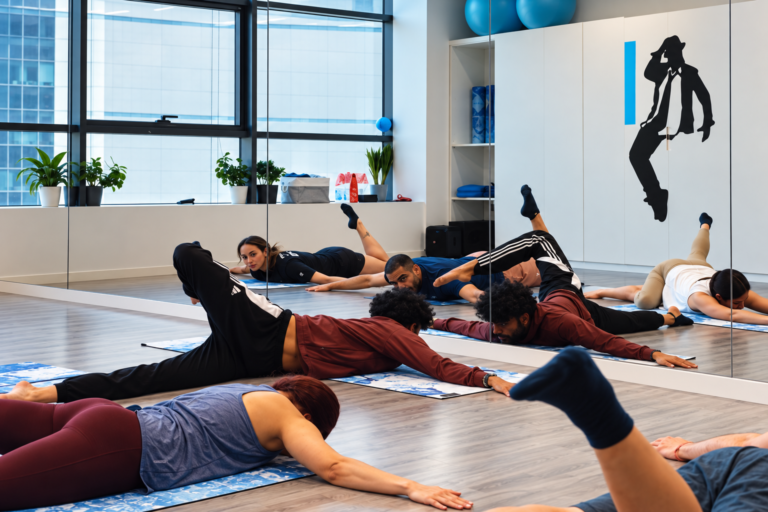
Yoga combines movement, breath, and focus. The physical practice most studios teach today is built around postures, linked with controlled breathing and a few minutes of stillness. Its roots lie in India, and it is taught around the world.
Styles beginners often meet include:
- Hatha: a slower pace, with postures held for several breaths. It suits those learning the basics.
- Vinyasa: postures flow into one another, with each movement linked to an inhale or exhale.
- Ashtanga: a set sequence of postures practised in the same order each class.
- Yin and restorative: long, supported holds that focus on relaxation and flexibility.
Class names and pace vary between studios, so asking the instructor which style a class follows helps beginners choose one that fits.
What to Expect in a First Class
A first class at a yoga studio in The Greens follows a clear structure, and the instructor, Shivam, explains each step along the way. The pace is steady and led by the breath.
A typical beginner class moves through:
- Settling in: a few minutes to get comfortable on the mat.
- Breath work: simple breathing exercises that calm the mind and link breath with movement.
- Warm-up: gentle movements that loosen the spine, shoulders, and hips.
- Main postures: standing poses, balances, forward folds, twists, and seated stretches that build strength and mobility.
- Cool-down and savasana: a final stretch, then a few minutes of stillness while the breath settles.
No one is expected to complete every posture. Instructors offer modifications such as bent knees, a strap, a block, or a shorter version of a pose, and child’s pose is always available for a rest.
Is Yoga Suitable for Beginners?
Beginners at any fitness level can start when the class is taught with care. Everyone begins somewhere, and a few common worries are worth easing:
- Flexibility: it is not a requirement. Flexibility develops with regular practice, and modifications adapt each posture to the student’s current range.
- Strength and stamina: endurance builds over several weeks, and rest is always welcome.
- Remembering the postures: names and sequences feel familiar after a few classes, and the instructor demonstrates and cues each one.
- Injuries and medical conditions: students with an injury, a chronic condition, or pregnancy should consult a doctor first and tell the instructor before class, so postures can be adapted.
How to Start: Practical Steps for Beginners
A few simple choices make the first weeks smoother. Choosing a yoga studio in The Greens with small classes and qualified instructors gives beginners the individual attention that learning new postures benefits from.
Yoga classes at The PAD, led by Shivam, run on:
- Mondays at 5 pm
- Thursdays at 6 pm
- Saturdays at 3 pm
These three weekly sessions make the suggested two or three classes a week easy to fit around work and weekend plans.
Helpful steps include:
- Book an introductory class to experience the pace, the teaching style, and the atmosphere before committing.
- Share relevant history, such as injuries, surgeries, or pregnancy, with the instructor before class.
- Wear breathable, fitted clothing so the instructor can see alignment.
- Bring a mat and water. Studios often provide mats, and water matters in Dubai’s climate.
- Arrive ten to fifteen minutes early to settle in and meet the instructor.
- Eat light beforehand, since a large meal within two to three hours of class can cause discomfort during twists and folds.
- Start with two or three classes a week, with rest days as stamina develops.
Progress in yoga is measured in consistency rather than depth. Smooth, even breathing matters more than how far a posture goes.
Pairing Yoga With Pilates
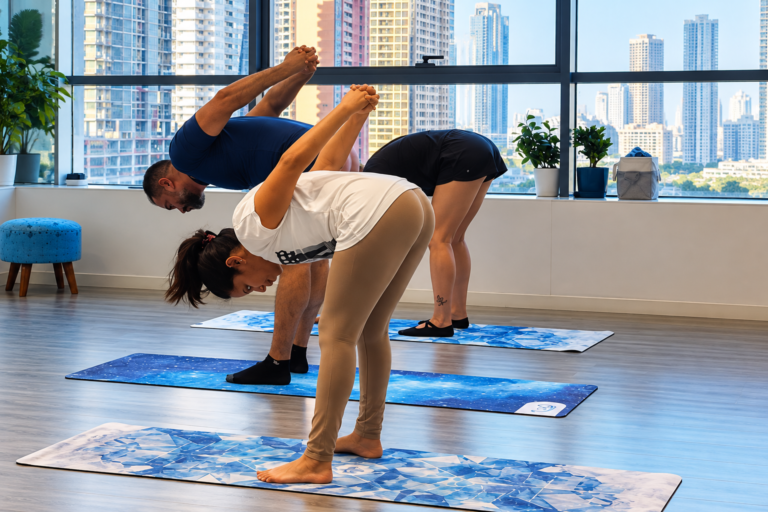
Yoga builds flexibility, breath control, and focus, while Pilates adds strength work, alignment, and core stability. Students who want extra core and posture work can add Reformer Pilates to a weekly routine. Together, they bring:
- Stronger core support for the abdominal engagement that many yoga postures and transitions require.
- Better alignment awareness, as the precise, spring-based movement of the reformer carries over to yoga postures.
- A balanced training load, with flowing yoga and controlled Pilates spreading effort across different muscle groups.
When both are offered at one yoga studio in The Greens, scheduling is simpler for students who train in both.
Conclusion
Yoga offers beginners a clear way in: a steady breath, postures that adapt to the individual, and a pace that grows with regular practice. Flexibility and prior experience are not prerequisites, and modifications keep the postures accessible. Knowing what a first class involves, sharing health history with the instructor, and starting with a manageable routine give new students a solid foundation.
At The PAD Pilates & Dance, beginners are always welcome to try a yoga class at our yoga studio in The Greens, a boutique space with a cosy, relaxed feel and a friendly community that celebrates every achievement, big or small. Book a session through the studio’s contact page, or call us at +971 4 2941745.
Frequently Asked Questions
Yes. Beginner classes start with foundational postures and breathing, and the instructor offers modifications for each posture.
No. Flexibility develops with regular practice, and props such as straps and blocks, or modifications such as bent knees, adapt every posture to the student’s current range.
Two or three classes a week is a common starting point. The frequency can increase as stamina and technique develop, with rest days for recovery.
Hatha holds postures for several breaths at a slower pace. Vinyasa links movement with breath in flowing sequences that change from class to class. Ashtanga follows a fixed sequence in the same order each class.
Students with an injury, a chronic condition, or pregnancy should consult a doctor before starting and tell the instructor before class. Postures can be adapted, and a prenatal yoga class may suit pregnancy better than a standard class.