
Ramadan is one of the most sacred times of the year, a month of reflection, discipline, and spiritual growth. But for those who have made movement a cornerstone of their lifestyle, one question always comes up: how do you keep up your fitness routine while fasting?
The good news? Pilates and Ramadan are a remarkably compatible pairing. Unlike high-intensity workouts that drain your energy reserves, Pilates in Dubai is low-impact, mindful, and deeply restorative, making it one of the best forms of exercise to maintain during the holy month. Whether you are a seasoned practitioner or just starting out, this guide will help you navigate your practice with care and intention.
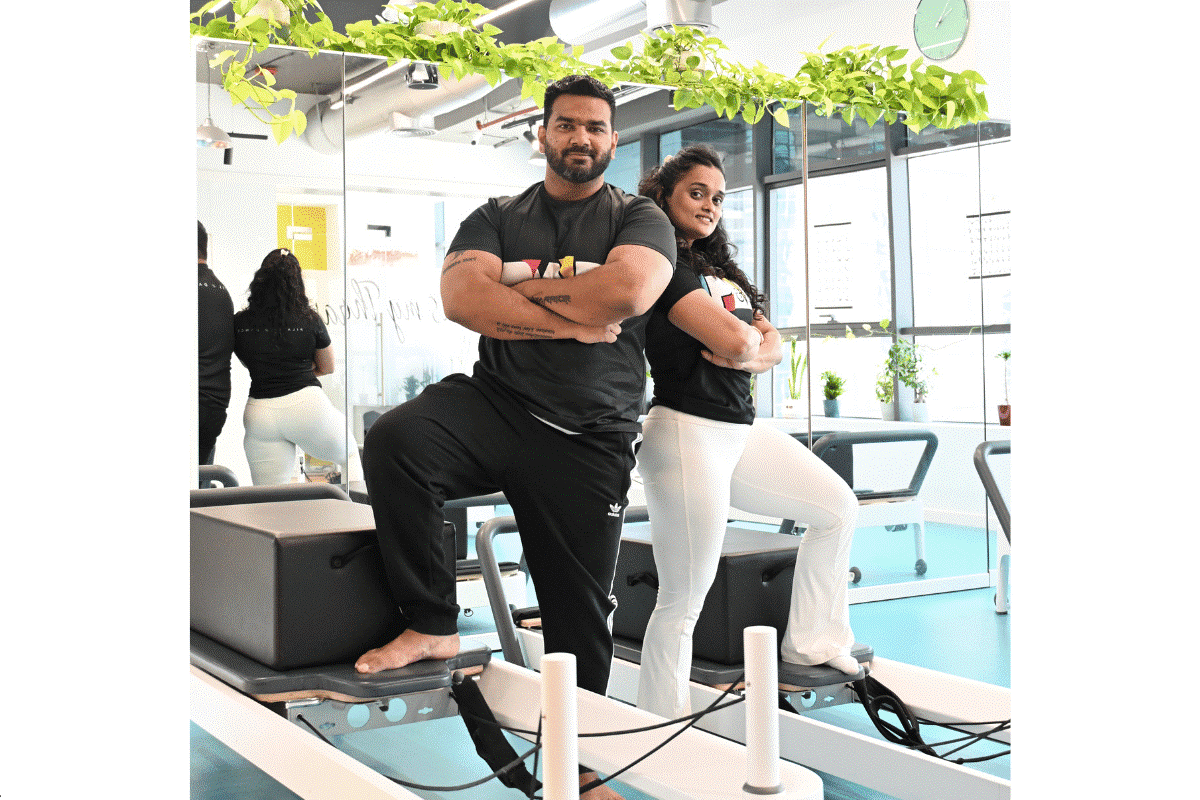
And if you are based in the UAE, you will want to know about PAD’s exclusive 30 Days Ramadan Challenge, a structured, community-driven programme designed especially for this time of year:
Why Pilates Is Ideal During Ramadan
Fasting changes the way your body functions. Your energy levels fluctuate, hydration is limited during daylight hours, and your body enters a state that actually favours lower-intensity, more intentional movement. Pilates in Dubai ticks every box:
Low impact, high reward: Pilates strengthens your core, improves posture, and builds lean muscle without putting excessive stress on your joints or cardiovascular system.
Breathwork at its core: The breathing techniques central to Pilates align beautifully with the meditative spirit of Ramadan, helping to calm the nervous system and reduce stress.
Adaptable to your energy: On days when you are feeling lighter, you can increase the intensity. On more challenging days, you can dial it back. Pilates in Dubai meets you exactly where you are.
Supports digestion: Gentle abdominal work and spinal mobility exercises can aid digestion, which is especially useful when your eating window is limited.
When Should You Work Out While Fasting?
Timing is everything during Ramadan. While there are a couple of windows people try, one stands out as the most practical and effective.
Just Before Iftar (Breaking Fast)
This is the window PAD recommends. Working out 30 to 60 minutes before Iftar means you can rehydrate and refuel almost immediately after your session. Your body will have been fasting for hours, so keep the intensity moderate and focus on technique over exertion. The best part? You finish your workout, break your fast, and head into your evening feeling accomplished and nourished.
After Iftar (A Quick Note)
Some people consider working out after Iftar, but in practice, this window is tricky during Ramadan. Most evenings are filled with Taraweeh prayers, family gatherings, and Iftar meals that run late into the night. If you do choose this window, wait at least 90 minutes after eating and keep the session light.
The bottom line: plan your Pilates session in the hour before Iftar, and you will set yourself up for the best possible experience during the holy month.
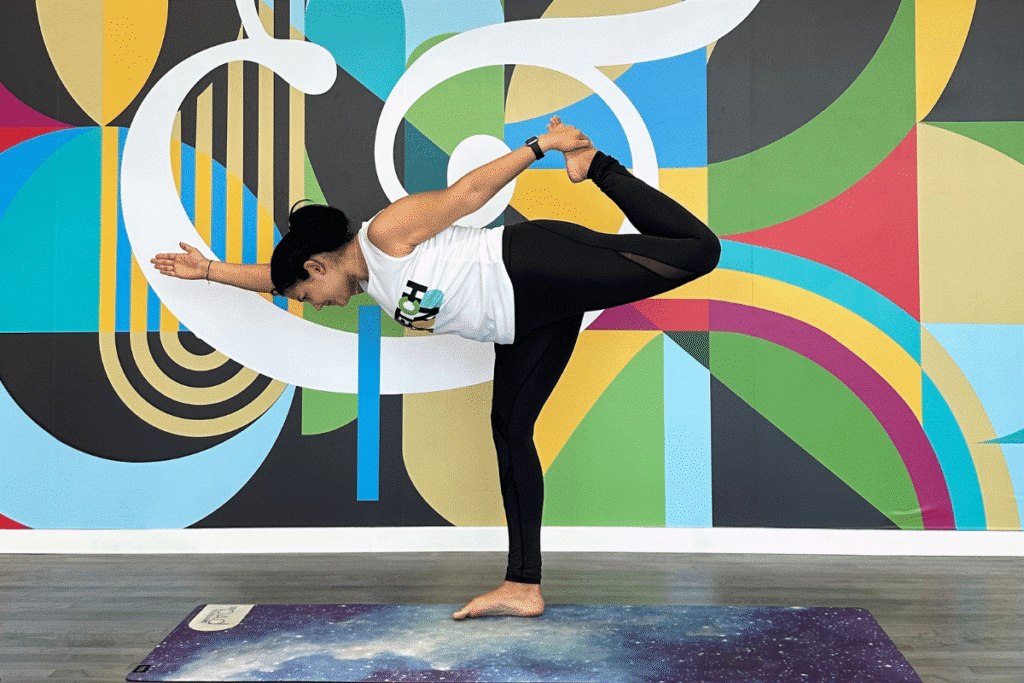
Join PAD’s 30 Days Ramadan Challenge
PAD launched the 30 Days Ramadan Challenge as an initiative for our existing community, a way to keep ourselves motivated, connected, and moving throughout the holy month. Because staying consistent during Ramadan is so much easier when the people around you are doing the same.
If you have not joined yet, there is still time. With 10 days of Ramadan remaining, these are the most sacred days of the holy month, and also the perfect opportunity to finish strong. The last stretch is where consistency truly counts.
The challenge is built around the realities of fasting: appropriately paced sessions, timing that works around Iftar, and the shared energy of a community all working towards the same goal. Jump in for the final 10 days and close out Ramadan feeling accomplished, grounded, and proud of how you showed up for yourself.
And if you are new to PAD, this is a great time to start. We are currently offering our best deal ever- our Intro package of 3 classes for AED 330- so you can experience what we are all about before committing to a full membership. Try a session before Iftar, see how it feels, and join the community from there.
Whether you are already part of our community, joining the challenge, or someone stepping into the studio for the first time, reach out to us to get started.