
Perimenopause and menopause bring a set of physical changes that most women notice long before anyone explains why they are happening. Declining estrogen affects far more than reproductive health. It plays a direct role in muscle mass, bone density, joint comfort, and even balance, which is part of why Pilates has become a widely recommended form of exercise during this stage of life. At studios offering Pilates classes in Dubai, including The PAD in The Greens, this life stage has become one of the more common reasons women start or return to the practice.
What Actually Changes During Perimenopause and Menopause
Estrogen supports several systems in the body at once, so its decline tends to show up in more than one place. The most commonly reported changes include:
- Reduced muscle mass and tone, a process known as sarcopenia, which accelerates as estrogen levels fall
- Declining bone density, with research pointing to bone loss of roughly 1.5 to 2.5 percent per year in the first several years following menopause
- Stiffer joints and reduced connective tissue elasticity, since estrogen plays a role in joint lubrication as well as bone health
- A weaker pelvic floor, compounded for many women by earlier childbirth or years of reduced core engagement
- Shifting body composition, with fat distribution and metabolism changing as muscle mass declines
- Reduced balance and coordination, which becomes more significant alongside lower bone density and a higher fracture risk from falls
Why Pilates Specifically Helps
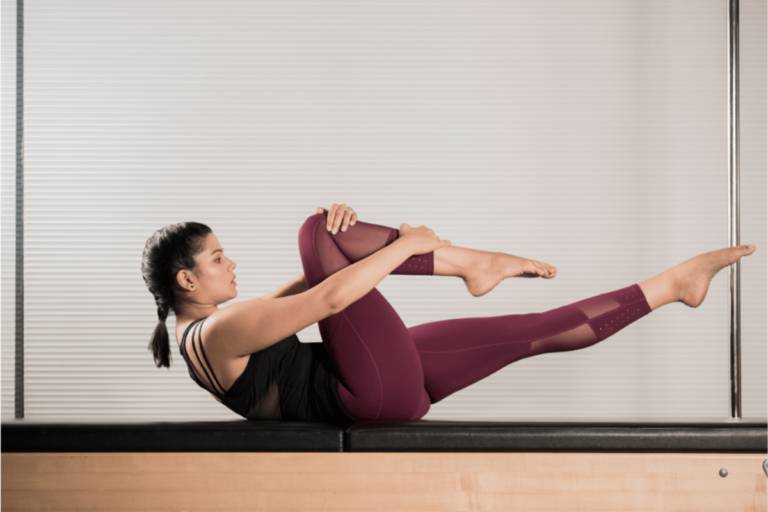
Pilates sits in a useful middle ground for this stage of life: it is low-impact enough to avoid unnecessary strain on stiffer joints, while still providing the resistance-based training that muscle and bone health actually require. This is a large part of why demand for Pilates classes in Dubai has grown steadily among women navigating perimenopause and menopause specifically. The CDC recommends resistance training at least twice a week targeting the major muscle groups, and reformer-based Pilates, which uses spring resistance rather than free weights, meets that recommendation without the joint impact of higher-intensity training. A 2025 randomized controlled trial published in the journal Medicine found that Pilates reduced menopausal symptoms and improved quality of life and sexual function in postmenopausal women.
Building Bone and Muscle Through Resistance-Based Work
The evidence connecting Pilates specifically to improved bone density is still developing, but the direction it points in is consistent: controlled, progressive resistance work appears to support bone health in postmenopausal women, in line with broader research on resistance training generally. Reformer work in particular allows resistance to increase gradually as strength improves, which supports both muscle building and the kind of loading bones need to maintain density. This is different from unloaded, purely flexibility-based movement, which is part of why resistance-based formats tend to be emphasized for this stage of life rather than mat work alone.
Supporting the Pelvic Floor and Core
Core and pelvic floor engagement sit at the center of most Pilates work, which makes it a natural fit for the specific changes many women notice during perimenopause and menopause. Controlled breathing patterns and deep core activation, built into nearly every exercise on the reformer or mat, help rebuild the stability that a weakened pelvic floor and core can otherwise leave behind. For women managing joint discomfort alongside these changes, this kind of controlled, supported movement is generally easier to sustain consistently than higher-impact training.
What to Expect in a Class Designed for This Life Stage
An instructor familiar with perimenopausal and menopausal changes will typically adjust pacing, load, and specific exercises based on how a client’s joints and energy levels feel that day, rather than applying a fixed programme regardless of symptoms. Consistency tends to matter more than intensity at this stage, and most guidance points toward two to three sessions a week as a realistic, sustainable target rather than pushing for maximum effort in fewer sessions. Private or small-group settings also make it easier for an instructor to notice and adjust for individual symptoms, from joint stiffness on a given day to fatigue tied to sleep disruption, both of which are common during this transition.
Practicing Pilates at The PAD in The Greens
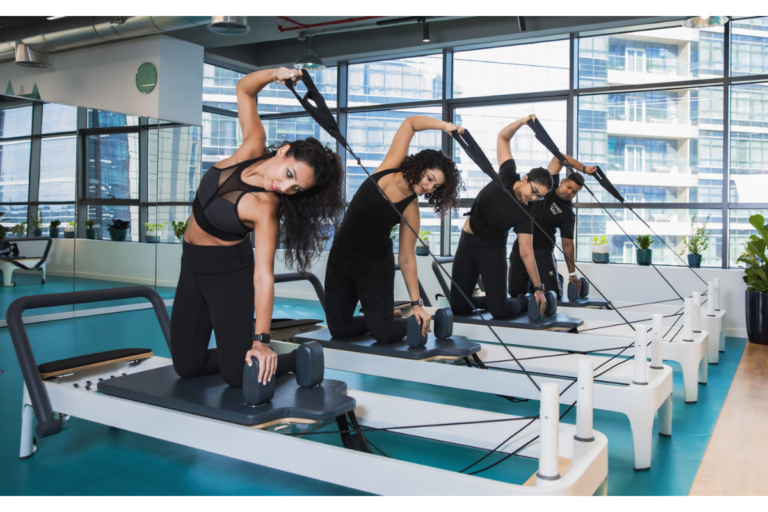
The PAD Pilates & Dance is based at Onyx Tower, The Greens, and has worked with clients across a wide range of ages and life stages since opening in 2018. The studio’s approach draws on the training methodology of celebrity master instructor Yasmin Karachiwala, and sessions are run in small groups or privately, which allows instructors to adjust exercises for joint sensitivity, energy levels, or pelvic floor concerns as they come up. For women in The Greens and the surrounding communities searching for Pilates classes in Dubai suited to this stage of life, the studio’s reformer Pilates sessions offer a convenient, familiar option to return to consistently, which matters more for results than any single high-intensity session.
Conclusion
Perimenopause and menopause change how the body responds to exercise, but they do not mean stepping back from strength or mobility work altogether. The muscle loss, bone density decline, and joint changes tied to falling estrogen respond well to controlled, resistance-based movement, which is exactly what Pilates is built around. Women exploring Pilates classes in Dubai during this stage of life can contact us, or reach The PAD Pilates & Dance at their studio in The Greens to find a class pace suited to where they are right now.
Frequently Asked Questions
Generally, yes, particularly with an instructor who can adjust pace and load based on joint comfort and energy levels. Anyone with existing bone density concerns or other health conditions should check with a doctor before starting a new exercise programme.
Two to three sessions a week is a commonly recommended target, with consistency generally mattering more than the intensity of any single session.
Research in this specific area is still developing, but several studies point toward resistance-based Pilates supporting bone mineral density in postmenopausal women, consistent with broader evidence on resistance training and bone health.
Many women find it does, since building surrounding muscle strength tends to reduce strain on the joints themselves, and the low-impact format avoids adding further stress to already stiffer joints.
Reformer work adds adjustable spring resistance, which more directly supports the muscle- and bone-building benefits relevant to menopause, though mat Pilates still offers real value for core and pelvic floor work.